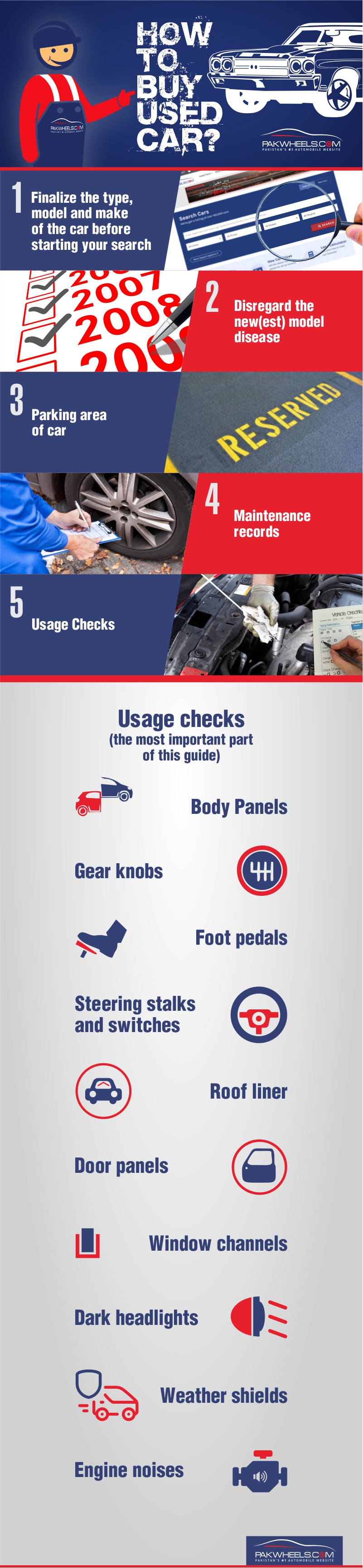
When you're seeking to acquire a vintage car, understanding how to inspect it is critical. classic car dealership 'll intend to begin by taking a look at the body and framework for indications of corrosion or imbalance, which could mean past mishaps. Next off, the engine deserves your attention for any kind of leakages or odd sounds. But that's just the start-- there's even more to take into consideration that can influence your acquisition decision considerably. Let's explore what you should really focus on.
What to Try to find in the Body and Framework
When you evaluate a classic car, pay very close attention to the body and structure, as these components are crucial to the vehicle's general condition.
Try to find corrosion places, dents, and scratches, which can show deeper issues. A straight body line recommends a properly maintained lorry, while misaligned panels might signify previous mishaps.
restored cars for sale for any indications of damage or rust; a compromised framework can be costly to repair.
Do not forget to analyze the undercarriage for rust or architectural weak points. If possible, make use of a magnet to identify locations that may have been fixed with body filler.
Finally, inspect the paint for consistency; variations can indicate bad repair services or painting, impacting the cars and truck's worth.
How to Examine the Engine and Mechanical Components
After checking the body and framework, transform your attention to the engine and mechanical elements.
Begin by inspecting the engine for leaks, rust, or uncommon noises when it runs. Try to find https://journal.classiccars.com/2020/11/08/classic-car-dealership-delivers-for-single-mom-during-covid-19-pandemic/ of oil leakages around seals and gaskets. Examine the belts and hose pipes for wear; they should be flexible and free of cracks.
Take a look at the coolant and oil degrees, ensuring they're tidy and at correct levels. Don't forget to analyze the battery; check for deterioration and ensure it holds a charge.
Check the brakes and suspension by taking the auto for a brief drive, paying attention for any weird audios.
Finally, assess the exhaust system for corrosion or damage, as this can be costly to fix.
Analyzing the Exterior And Interior Problem
Begin by checking out the interior and exterior problem of the classic car, as this can disclose a lot concerning its upkeep background.
Search for corrosion, damages, or paint disparities on the outside; these concerns can suggest inadequate maintenance. Inspect the seals around windows and doors for any kind of indications of wear, which could bring about water damages.
Inside, inspect the furniture for splits, stains, or fading. Examine Recommended Looking at and functions-- like the lights, radio, and cooling-- to guarantee they work correctly.
Don't fail to remember to examine the dashboard for cracks or indications of age. Taking these actions will provide you a clearer photo of exactly how the vehicle was treated over the years, assisting you make an extra informed decision.
Verdict
Finally, taking the time to thoroughly check a vintage car before acquiring can save you from unanticipated repair work and headaches down the road. Focus on the body and framework, inspect the engine and mechanical components, and evaluate the interior and exterior problem. A careful assessment ensures you're making a smart financial investment in a vintage vehicle that'll not only turn heads yet likewise supply a satisfying experience for many years to come. Delighted cars and truck hunting!